Main Takeaways
- Resources like SNAP are a public good that provides nutrition to families and sustains our local farmers and grocers.
- The federal Republican megabill, which passed in July, cuts food assistance to adults and families. It also includes more red tape and expands work requirements, which makes it much harder for families to get the groceries they need.
- State decision makers need to get these new requirements up and running ASAP. The legislature needs to approve $69 million to implement these changes and avoid up to $200 million in federal fees.
- Join us in protecting public goods! Contact your state legislators and ask them to increase state funding for SNAP/FoodShare to pay for federal cuts and changes. Read & share coalition sign-on letter here.
What’s happening?
H.R. 1, also known as the Republican megabill, passed on July 4, 2025, puts Supplemental Nutrition Assistance Program (SNAP), also known as FoodShare in Wisconsin, at serious risk by cutting essential funding and adding new barriers. This will leave many families without access to health care coverage and food assistance. Wisconsin decisionmakers face an urgent responsibility to secure additional funding to ensure eligible families are not left behind. By coming together and pushing state legislators to act, we can protect food assistance for our communities. Read on to learn more about SNAP/FoodShare in Wisconsin, then take action below.
Who’s using SNAP/FoodShare to help cover grocery bills?
FoodShare is a resource for all families across the state. Nearly 700,000 recipients from all 72 counties in Wisconsin count on FoodShare to help keep food on their table. Seven of the top ten counties with the highest percentage of the population receiving FoodShare are designated rural – Menominee, Adams, Rusk, Langlade, Ashland, Juneau, & Wood. While serving a racially and ethnically diverse population, the reality of FoodShare dispels common misconceptions: the majority of FoodShare recipients in Wisconsin are white.
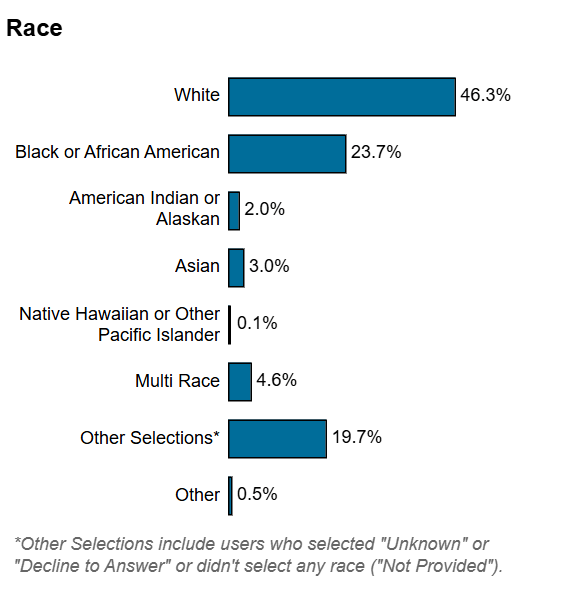
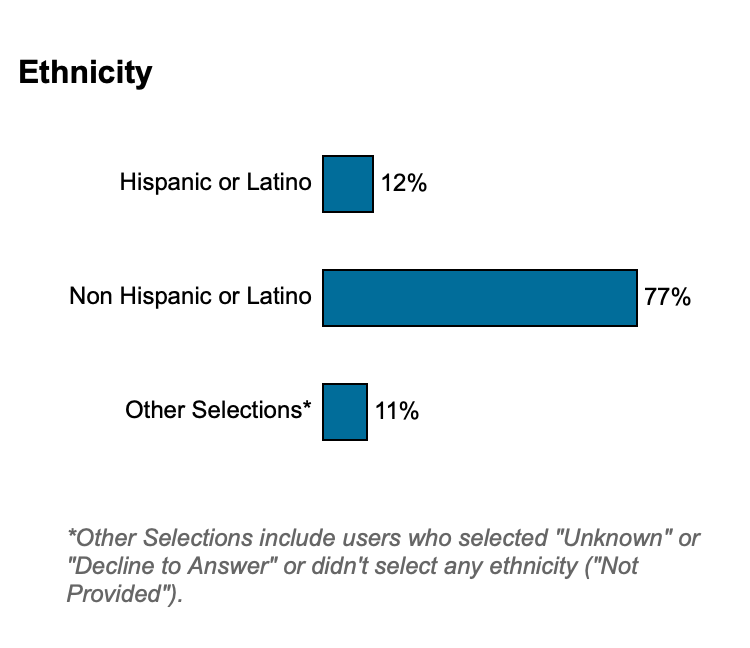
Source: https://www.dhs.wisconsin.gov/foodshare/individual-summary.htm
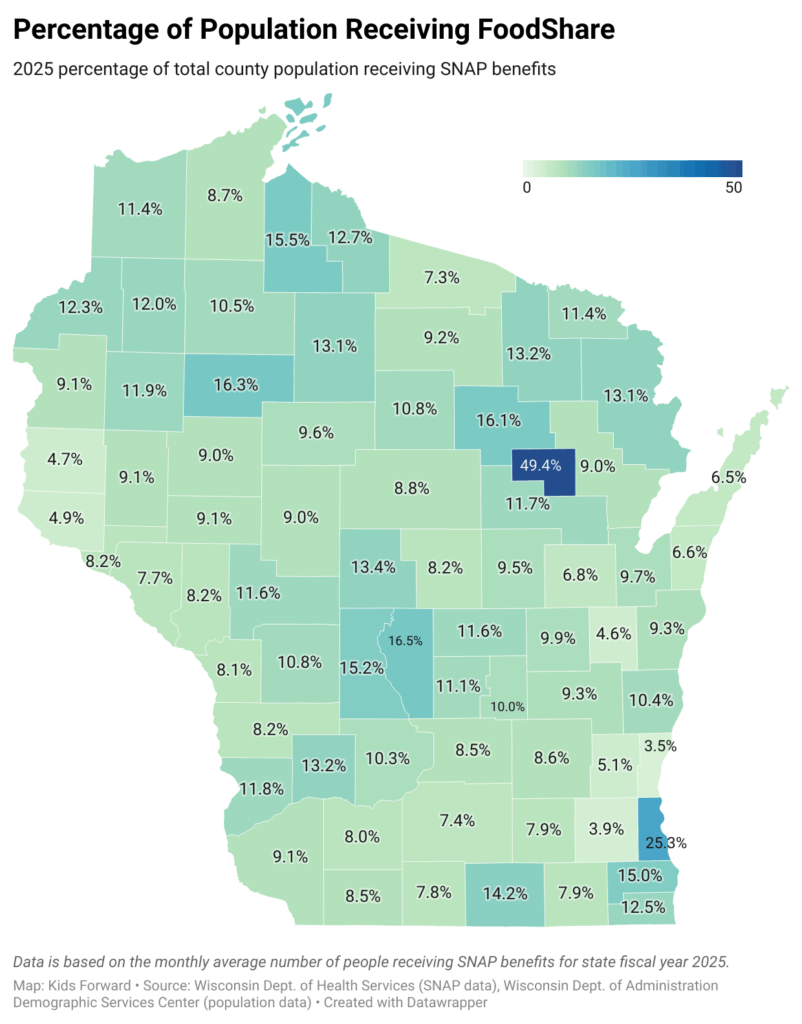
What do the federal changes mean for Wisconsin’s Children & Families?
Stricter Work Reporting Requirements
The bill expands strict work reporting rules that will strip food assistance from thousands of Wisconsinites. Nearly 43,700 current FoodShare recipients, who were previously exempt, will now face new barriers to keep their benefits. Beginning as early as November 1, anyone ages 18 to 64 who does not have a child under 14 in their household will have to “prove they’re working” just to put food on the table. The requirement also applies to previously exempt parents who have children ages 14-17.
This will ultimately make FoodShare far less accessible and put vulnerable populations, including children, parents, and older adults, at risk from losing access to food. Families who are already struggling with child care, transportation, or unpredictable work hours could lose their only source of consistent nutrition support.
It will also cost Wisconsin taxpayers $21 million due to increased implementation costs for the Wisconsin Department of Health Services (DHS).
Shifts Administrative Costs to State and Counties
Previously the federal government and Wisconsin shared equally the cost of administering FoodShare. The federal budget bill shifts an additional 25% of the costs to states, which means Wisconsin will have to pay 75% of the administrative costs beginning on October 1, 2026. This will cost Wisconsin and its counties an additional $32 million during our current two-year budget, with costs expected to increase over time.
Possible Changes to Funding for FoodShare Benefits
The bill will require states to cover a percentage of SNAP benefit costs if a state’s error rate goes over 6%. Wisconsin has historically maintained a low error rate and in 2024 Wisconsin’s error rate was 4.5%. However, with many changes expected to come from this new bill, the error rate could increase due to new administrative costs and burdens of implementing work requirements – with every layer of red tape, there are more chances for errors to occur. To prevent this, the DHS will likely need to hire more staff to identify and address errors, which could cost the state $16 million during this budget period. If the state’s error rate rises above the new threshold, it could cost Wisconsin taxpayers as much as $205 million per year.
What’s an error rate?
The error rate measures how often FoodShare benefits are calculated wrong — when someone gets too much or too little help. Keeping that number low matters, because if the state makes too many mistakes, it has to pay part of the federal costs. The good news? Wisconsin has been great at catching and fixing those mistakes in the past, which is why state and county workers need additional funds to ensure this continues.
Elimination of SNAP Education Programs
Like all states, Wisconsin receives funding to provide to community partners to educate families about food assistance programs, healthy eating, and physical activity. SNAP education funding has helped equip families with information they need to be more likely to make healthy choices and build healthier lifestyles. In 2024, 145,733 people participated in SNAP education programs. The federal budget bill eliminates these programs entirely, cutting $12 million in funding for Wisconsin.
How Can You Protect Wisconsin Families?
Contact your state legislators and ask them to increase state funding for SNAP/FoodShare to pay for federal cuts and changes. Find your representative here: https://legis.wisconsin.gov/
Wisconsin currently needs the following funding to respond to federal SNAP requirements and cuts:
- $32.4 M for administrative costs so the program remains financially viable in the 2025-2027 budget cycle. The federal government shifted an additional 25% of costs to states, so now WI must pay 75% of the administrative costs.
- $16.1 M in our current 2025-2027 budget cycle for 56 more state and county workers to make sure Wisconsin’s error rate stays low. Keeping Wisconsin’s error rate low helps Wisconsin avoid penalties up to $205M that the federal government could charge the state in future years.
- $20.7 M to make sure all the people who get SNAP are working enough to get food assistance benefits or qualify for an exemption.
Sources
https://www.dhs.wisconsin.gov/news/releases/fed-reconciliation-082825.pdf
https://www.dhs.wisconsin.gov/forwardhealth/partners/federal-changes.htm