Feds cut healthcare and food assistance to give more tax cuts to wealthiest Americans
Last year, Trump & his supporters in Congress made the largest cuts to SNAP/FoodShare in history in order to give tax breaks to the rich. SNAP, aka FoodShare in Wisconsin, is one of the country’s most successful anti-hunger and anti-poverty programs. It’s an essential service that helps 700k people across Wisconsin put food on the table.
Increased Funding and Staffing to Shore up FoodShare
In the wake of these federal changes, we joined with food pantries, small business owners, religious leaders, grocers, and anti-hunger advocates to urge state decision makers to make the humane choice and ensure FoodShare has the funds it needs—about $69 million—to avoid paying hundreds of millions in penalties in the future and fill the gap left by the federal cuts.
We’re relieved to see the Governor and legislature come together to do this by passing and signing AB180 into law.
Misguided Food Restrictions Won’t Solve the Problem
However, AB180 unfortunately also includes harmful and misguided food restrictions that will add to the barriers Wisconsinites face when trying to feed their families. The law prohibits people from using SNAP dollars to buy certain sugary foods and drinks that the legislature has deemed unhealthy.
There is little to no evidence that shows that banning certain foods is likely to change what people buy or what they eat.
What these restrictions will do though, is make it harder for everyday families to know what they can and can’t buy with their EBT cards, increase the stigma and false stereotypes that people receiving food assistance face, and increase the administrative costs of running FoodShare in Wisconsin. It will also add to the complexity for grocery stores and other retailers, increasing the chances that some smaller grocery stores might decide to stop accepting SNAP rather than navigate the increased difficulties.
Taking away food choice likely does nothing to make Wisconsinites healthier. But you know what could? Evidence-based educational programs like SNAP Ed, which offer cooking classes and nutrition support. Last year, the Trump administration completely cut all funding for SNAP Ed throughout the country.
Too many Wisconsinites, in both rural and urban areas where healthy food is expensive and hard to access. These restrictions do nothing to address the larger issues that families face, like jobs that don’t pay enough, lack of access to healthy foods where people live, and families being unable to afford higher costs of healthier foods, like fresh fruits and vegetables.
Recently, I was asked whether this law was enough for Wisconsin – not hardly. Criminalizing low-income families is simply a distraction from the massive tax cuts passed for the wealthy few and deregulations that make it harder for everyday families to get by. Enough would mean families have jobs that pay enough so they can put food on the table, that both urban and rural communities have access to affordable, healthy foods, and that kids in school have healthy meals regardless of their incomes. No one in this country who works a fulltime job (or in many cases two) should struggle to meet their basic needs.
Instead of policing low-income families, those who make our laws should invest in supports that actually improve health and keep people from going hungry.
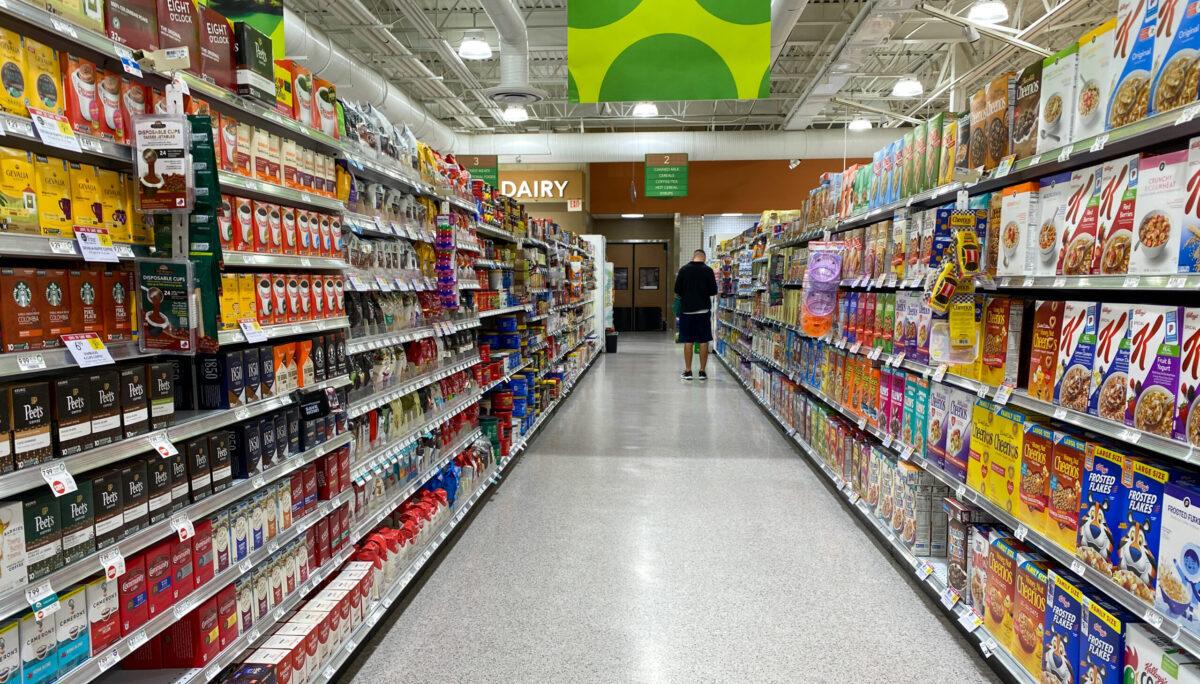
Cuts to food and health care to pay for tax cuts for the richest 1% won’t make anyone healthier. And policies like food restrictions are ultimately a distraction to keep people focused on what struggling families have in their shopping carts while the richest 1% run away with the store.